About Arctic Cleanup
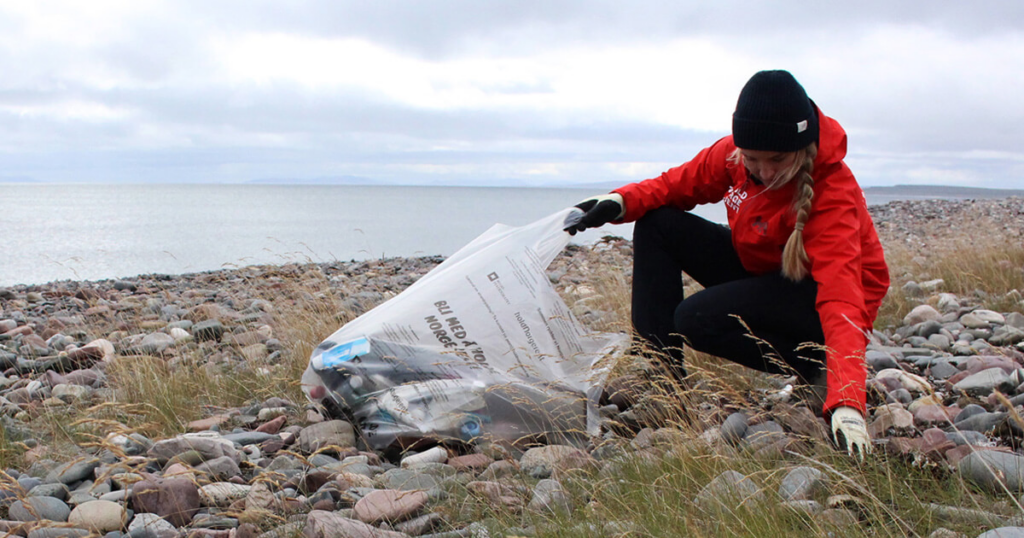
Littering is a challenge, even in Arctic regions. Cleaning up in the Arctic is demanding due to harsh weather conditions, vast distances, and limited options for waste management. Arctic Cleanup is an international collaborative project aimed at contributing to the cleanup and prevention of littering in the Arctic through cleanup efforts and knowledge gathering.
Why Clean Up in the Arctic?
Parts of the Arctic are heavily polluted, and researchers are warning of the potential for a sixth “plastic gyre” in the Barents Sea (e.g. Cózar et al., 2017). New findings also suggest that a significant portion of the litter comes from local sources as well as long-range transport via ocean currents (Bergmann et al., 2022).
To reduce this influx, there is a need for increased awareness and understanding of the sources and causes of littering in the region. The Arctic Cleanup project contributes to the gathering of knowledge about littering in the areas. Additionally, a key objective is to identify challenges and needs related to voluntary cleanup, transportation, and waste management in the region.
Cleaning up in Arctic areas is both challenging and costly. Large distances, remote areas, sparse populations, short cleanup seasons, limited waste disposal access, and high amounts of garbage are the main challenges for voluntary cleanup efforts in Arctic regions.
Arctic Cleanup – An International Collaboration
Collaboration and exchange of experiences across borders are essential for executing a project like Arctic Cleanup. Therefore, the project is based on international cooperation with the goal of gathering knowledge to reduce and prevent littering in Arctic and sub-Arctic regions.
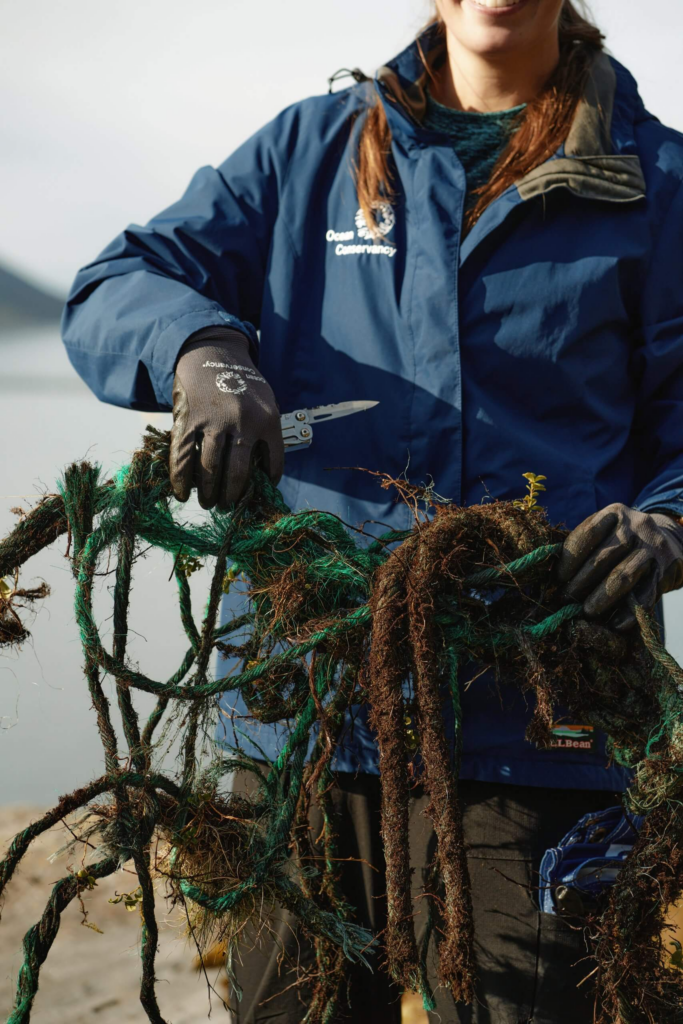
The project aims to engage and raise awareness among local populations in the region through cleanup efforts and data collection. The collaboration aims to mobilize increased voluntary cleanup in the Arctic while also gathering more knowledge about littering in the region through citizen science.
In all regions, volunteers conduct cleanup actions and record findings in a protocol developed by Ocean Conservancy and Keep Norway Beautiful.
The project partners in the various countries involved are:
Project management:
Keep Norway Beautiful and Ocean Conservancy
Project partner in Iceland:
Worldwide Friends / Veraldarvinir
Project partner in Greenland:
Innovation South Greenland
Project partner in Alaska:
Ocean Conservancy
Project partners in Norway:
Nord-Troms and Finnmark Outdoor Council, and The Norwegian Society for the Conservation of Nature in Troms and Finnmark
Arctic Cleanup is part of the Arctic Council‘s Regional Action Plan on Marine Litter under PAME (Protection of the Arctic Marine Environment).
Dokumenter og rapporter
Volunteerism and Citizen Science
Since 2011 and the first national cleanup event, voluntary cleanup has been an important source of knowledge about littering in Norway. Through information about findings that volunteers have registered first on physical forms, followed by the digital tool Ryddeportalen (Cleanup Portal), and eventually in the current tool ryddenorge.no, we have gained knowledge about what is being cleaned up, where litter is found, and the quantities being cleaned up. For a long time, citizen science was the only source of knowledge about littering on a national level in Norway, and today it remains one of the most important sources of knowledge we have.
One of Arctic Cleanup’s main goals is to gather and spread knowledge about marine litter in the Arctic. In addition to being an important source of knowledge, voluntary cleanup efforts also contribute to knowledge dissemination and awareness. To gather knowledge from voluntary cleanup efforts in the Arctic, Ocean Conservancy and Hold Norge Rent have developed a common registration protocol tailored to voluntary cleanup. This is based on Ocean Conservancy’s global protocol.
The information we obtain through this protocol gives us data on:
- The amount of litter cleaned up by volunteers
- What types of litter the volunteers find
- What sources the litter originates from
This knowledge provides insights that can be used in efforts to prevent future littering.

Funding
Cleaning up in the Arctic takes place under challenging conditions, and there is a need for funding for planning, training, coordination, equipment, waste management, and transportation. The Norwegian Ministry of Climate and Environment (in connection with PAME) and Ocean Conservancy have contributed to Arctic Cleanup, enabling the project to conduct 74 cleanup actions, clean up more than 50,000 kilograms of litter, and engage over 2,000 volunteers so far.
Arctic Cleanup has received funding from Norwegian Ministry of Climate and Environment, Norrøna and Ocean Conservancy.